

How many glasses of champagne are in a bottle? Your complete pouring guide

Discover how many glasses of champagne you can pour from every bottle size, plus expert serving tips for your next celebration.
A standard 750 mL bottle of champagne yields about five to six glasses, depending on your pour size. That's the quick answer—but the exact count can shift based on the bottle format you choose, the type of glass you're using, and how generously you pour. Whether you're planning an intimate toast or a grand celebration, understanding these variables helps you pour with confidence and keep the bubbles flowing. Cheers!
How many servings and glasses per standard bottle of champagne?
A standard 750 mL bottle holds approximately 25.4 fluid ounces and produces five to six glasses when poured at the recommended serving size. That's the quick answer to the most common question about champagne servings—but the exact count depends on how generously you pour.
Here's where it gets interesting. In many U.S. restaurants, you'll see a "standard pour" of 5 ounces, which yields about five glasses per bottle. But the traditional champagne pour is actually 4 ounces (125 mL)—a slightly smaller serving that preserves both temperature and effervescence. That smaller pour keeps the bubbles lively and the aromas concentrated, giving you six glasses per bottle instead of five.
Most sparkling wines and champagnes clock in around 12% ABV, which is comparable to many white wines and helps determine the official serving size. The alcohol content is consistent across the Champagne region, typically ranging from 11.5% to 12.5%, because the méthode champenoise—the traditional two-fermentation process—naturally produces this level.
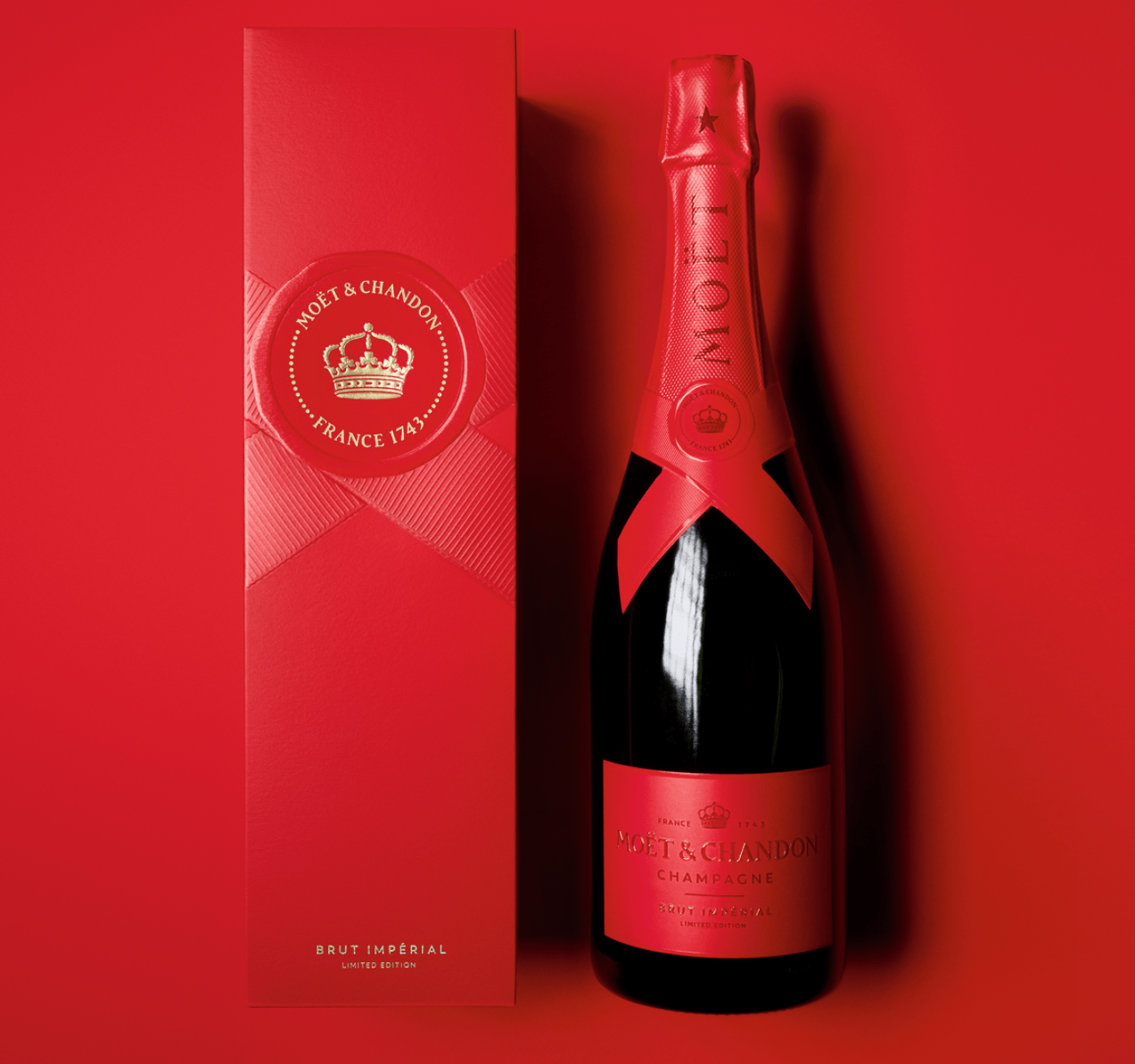
When you're planning your next celebration, remember that a 4-ounce pour isn't about being stingy. It's about giving each glass the best drinking experience while maximizing the amount of champagne you can share. Whether you're pouring from the Moët & Chandon Champagne collection or another favorite, that moderate serving size keeps every sip as crisp and effervescent as the first.
How many ounces and milliliters are in a bottle of champagne?
A standard 750 mL bottle of champagne contains exactly 25.4 fluid ounces. Understanding these measurements is essential when you're planning an event or simply want to pour with precision. Whether you're hosting an intimate dinner or a grand celebration, knowing the exact capacity helps you estimate servings accurately, avoid running short, and ensure every guest enjoys the perfect amount of bubbly. These numbers also matter when you're comparing bottle formats or calculating how many bottles you'll need for a crowd.
How many ounces are in a champagne flute?
A typical champagne flute glass holds between 6 and 8 ounces total, though you'll rarely fill it to the brim. The standard pour is about 4 to 5 ounces, leaving roughly two to three ounces of empty space at the top. That headspace isn't wasted—it serves a purpose. The unfilled portion allows the champagne's delicate aromas to concentrate above the liquid, creating a more fragrant and nuanced drinking experience. When you bring the flute to your nose, those trapped aromatics enhance every sip. The tall, narrow shape of the flute also helps preserve carbonation longer than a wider bowl, keeping your champagne lively from the first pour to the last drop.
What is the standard champagne serving size?
The standard champagne serving size is 4 ounces, or about 125 mL. This is noticeably smaller than a typical wine pour, which clocks in at 5 ounces. Why the difference? Champagne's effervescence and cooler serving temperature mean a slightly smaller pour keeps the wine at its ideal chill and maximizes those signature bubbles. A 4-ounce serving also gives you the right balance—enough to savor the champagne's complexity without letting it warm up in the glass. When you're planning how many glasses per person to serve at an event, this serving size is your benchmark for accurate calculations and a polished drinking experience.
How many glasses are in a magnum or other large bottle?
Champagne bottles come in a remarkable range of formats—from the tiny Piccolo perfect for a single toast to the monumental Nebuchadnezzar that can serve a hundred guests. Understanding these sizes helps you plan for any celebration, whether you're hosting an intimate dinner or a grand wedding reception.
The progression starts small. A Quarter Bottle, also called a Piccolo, holds just 187.5 mL—enough for one generous glass. Move up to a Demi or Half Bottle at 375 mL, and you'll pour about three glasses. The standard 750 mL bottle you know well yields roughly six glasses, making it the benchmark for comparison.
Here's where things get impressive. A magnum at 1.5 liters doubles the standard bottle, delivering about 12 glasses. Magnums aren't just about volume—they're prized by collectors and connoisseurs for superior aging potential. The slower oxidation inside a larger format enhances complexity and produces finer, more persistent bubbles. That's why you'll often see magnums at milestone celebrations.
Beyond the magnum, the formats become truly spectacular. A Jeroboam holds 3 liters (around 24 glasses), while a Rehoboam stretches to 4.5 liters and 30 glasses. The Methuselah at 6 liters pours approximately 40 glasses—ideal for medium-sized events. Larger formats like the Salmanazar (9 L, 60 glasses), Balthazar (12 L, 80 glasses), and Nebuchadnezzar (15 L, 100 glasses) are showstoppers reserved for the grandest occasions.
These larger formats serve a practical purpose beyond their visual drama. At weddings and corporate galas, a single Nebuchadnezzar can replace twenty standard bottles, streamlining service and creating an unforgettable centerpiece. Many of these impressive bottles carry biblical names—Jeroboam, Methuselah, Nebuchadnezzar—connecting today's celebrations to ancient history.
For everyday gatherings, smaller bottles like the Demi or Piccolo prevent waste while still delivering the full champagne experience. The table below gives you a complete reference for planning your next event:
Bottle Name | Capacity (mL / oz) | Approximate Number of Glasses |
|---|---|---|
Piccolo (Quarter Bottle) | 187.5 mL / 6.3 oz | 1 glass |
Demi (Half Bottle) | 375 mL / 12.7 oz | 3 glasses |
Standard | 750 mL / 25.4 oz | 6 glasses |
Magnum | 1,500 mL / 50.7 oz | 12 glasses |
Jeroboam | 3,000 mL / 101 oz | 24 glasses |
Rehoboam | 4,500 mL / 152 oz | 30 glasses |
Methuselah | 6,000 mL / 203 oz | 40 glasses |
Salmanazar | 9,000 mL / 304 oz | 60 glasses |
Balthazar | 12,000 mL / 406 oz | 80 glasses |
Nebuchadnezzar | 15,000 mL / 507 oz | 100 glasses |
Whether you choose a standard bottle for a cozy evening or a Jeroboam to make a statement, matching the format to your occasion ensures every guest enjoys champagne at its finest.
What is the best type of glass for champagne?
The glass you choose affects both the number of servings and the tasting experience.
The classic flute
The flute is the most recognizable champagne glass, with its tall, narrow bowl rising from a long stem. This elegant design does more than look beautiful—it preserves carbonation by limiting the surface area exposed to air, which keeps those signature bubbles dancing longer. The slender shape also directs aromas upward in a concentrated stream, letting you catch the full bouquet before each sip. Most flutes hold 6 to 8 ounces total, though you'll typically pour only 4 to 5 ounces to leave room for the aromas to gather above the wine. That makes the flute ideal for showcasing champagne's effervescence and delicate character.
The timeless coupe
The coupe—also called a champagne saucer—is the vintage darling of champagne glassware. Picture a broad, shallow bowl perched on a stem, and you've got the coupe's distinctive silhouette. Its wide, shallow shape resembles the classic cocktail glasses bartenders often reach for when serving drinks "up." But that same broad design is a double-edged sword for champagne. The large surface area causes bubbles to dissipate much faster than in a flute, which means your champagne loses its fizz and chill more quickly. Still, the coupe brings undeniable charm to any celebration, and if you're chasing a Gatsby-era aesthetic, nothing else will do.
The versatile tulip
The tulip glass has emerged as the modern connoisseur's choice—a thoughtful compromise between the flute's narrow focus and the coupe's open bowl. It features a wider mid-section that gently tapers toward the rim, creating an almost diamond-like profile. This shape captures and concentrates aromas like a flute but offers a more generous opening that lets the wine reach different parts of your palate, allowing champagne's full range of flavors to express themselves. The tulip glasses balance elegance with practicality: they preserve enough carbonation to keep the drinking experience lively while giving you better access to the wine's complexity. Many champagne houses now recommend tulips for serious tastings.
How many bottles do you need to serve 40 guests or a large group?
Planning champagne for an event requires more than just guesswork. The number of bottles you'll need depends entirely on how you're serving it—whether it's a quick celebratory toast or the main beverage flowing throughout your reception. Getting the calculation right ensures your guests never see an empty glass, and you avoid the frustration of running short at the most important moment.
Planning champagne for a toast
For a simple toast, each guest needs just one glass of about 4 ounces. Since a standard 750 mL bottle yields approximately six glasses, the math is straightforward: divide the number of guests by six to find the bottles you'll need.
Here's the quick formula: Number of guests ÷ 6 = bottles for a toast.
Let's look at some worked examples. For 20 guests, you'd need about 4 bottles (20 ÷ 6 = 3.3, rounded up). For 40 guests, plan on 7 bottles to ensure everyone gets their glass. Hosting 100 people? You'll want 17 bottles for the toast. Always round up rather than down—it's better to have an extra bottle on hand than to scramble for more mid-celebration. These calculations assume a single pour per person, which is standard for wedding toasts, anniversary celebrations, or New Year's Eve countdowns.
Estimating drinks and bottles for full service at an event
When champagne is the star of your event—served throughout a wedding reception, cocktail party, or anniversary dinner—your planning shifts dramatically. For full-service events lasting two to three hours, plan for each guest to enjoy three to four glasses. That's significantly more than a toast.
The formula here is: Guests × 4 ÷ 6 = bottles for full service.
Using our earlier examples: 20 guests would need about 14 bottles, 40 guests require roughly 27 bottles, and 100 guests call for 67 bottles over the course of the evening. These numbers account for guests who'll want refills and the natural flow of conversation and celebration. For very large gatherings, consider ordering magnums (1.5 L bottles) instead of standard formats. A magnum serves about 12 glasses and adds a dramatic, elegant touch to your tablescape while simplifying service logistics.
Here's a quick-reference planning table to help you estimate:
Number of Guests | Bottles for Toast Only | Bottles for Full Service |
|---|---|---|
10 | 2 | 7 |
20 | 4 | 14 |
40 | 7 | 27 |
60 | 10 | 40 |
100 | 17 | 67 |
How should you pour champagne to maximize every bottle?
The way you pour champagne directly impacts how much you get from each bottle and the overall drinking experience. A proper pour preserves those delicate bubbles and ensures every guest enjoys the wine at its best.
Start with the two-stage pour technique: tilt the glass at a 45-degree angle and pour slowly down the side. This gentle approach lets the champagne flow smoothly without agitating the carbonation. Pour about an inch into the glass, then pause for a few seconds to let the effervescence settle. Straighten the glass and continue pouring slowly until it's about two-thirds full. This measured method prevents foam overflow and keeps more bubbles dancing in the glass.
Temperature plays a crucial role in maximizing every drop. Chill your champagne to its ideal temperature of 45–48°F (7–9°C) before opening. A properly chilled bottle produces less foam when you pop the cork, which means less waste and more sparkling wine in your glasses. Keep the bottle in an ice bucket between pours to maintain that perfect temperature throughout your celebration.
Resist the urge to fill glasses to the brim. A moderate pour not only looks more elegant but also keeps the wine cool longer and preserves its aromatic complexity. The extra space at the top allows the champagne's bouquet to concentrate above the liquid, enhancing each sip.
When opening the bottle, aim for a quiet sigh rather than a dramatic pop. Gently twist the bottle (not the cork) while holding the cork firmly, releasing the pressure slowly. This controlled opening prevents precious liquid from spraying out and sets the stage for a refined serving experience.
Remember that aggressive pours introduce excess air and cause sparkling wines to lose their effervescence much faster. The amount of champagne you preserve with gentle handling can add up to an extra glass or two over the course of an evening.
Frequently asked questions
How many glasses of prosecco are in a bottle?
A standard 750 mL bottle of prosecco yields about 5 to 6 glasses, exactly the same as champagne. Since both come in identical bottle sizes and use the same recommended serving size of 4–5 oz per glass, you'll get the same number of pours whether you're opening prosecco or champagne. This makes prosecco just as practical for event planning and toasts as its French counterpart.
How many glasses of champagne does it take to get drunk?
Champagne's carbonation can accelerate alcohol absorption, causing blood alcohol levels to rise faster in the first 20 minutes. At roughly 12% ABV, most people will feel noticeable effects after 2 to 3 glasses, though individual tolerance varies widely based on body weight, metabolism, food intake, and drinking pace. Always drink responsibly and know your limits—champagne may get you tipsy faster than still wine.
How many bottles are in a case of champagne?
A standard case holds either 6 or 12 bottles, depending on the producer and retailer. While 12-bottle cases are common for everyday champagne purchases, premium and vintage champagnes often come in 6-bottle cases. Larger formats like magnums may also be sold in smaller case counts. It's always best to check the label or ask your wine merchant when ordering in bulk.
How much alcohol is in a bottle of champagne?
Most champagnes contain between 11.5% and 12.5% ABV, with the majority hovering around 12%. That's comparable to many white wines and slightly higher than some sparkling wines like Moscato d'Asti. The precise alcohol level depends on the cuvée, the dosage added after disgorgement, and the ripeness of the grapes. You'll find the exact ABV printed on every champagne label.
Can you reuse champagne bottles for home brewing?
While champagne bottles are exceptionally strong due to their thick glass and reinforced design—necessary to withstand the pressure of carbonation—reusing them for home brewing requires caution. The bottles can handle the pressure of champagne-style fermentation, but you must ensure they're free of chips, cracks, or stress fractures. Professional brewers recommend using fresh bottles with proper crown caps or wire cages to avoid dangerous explosions during secondary fermentation.
Houses's latest
NEWS
Let’s stay in touch !
Sign up to our newsletter to receive our latest news, special offers and more…